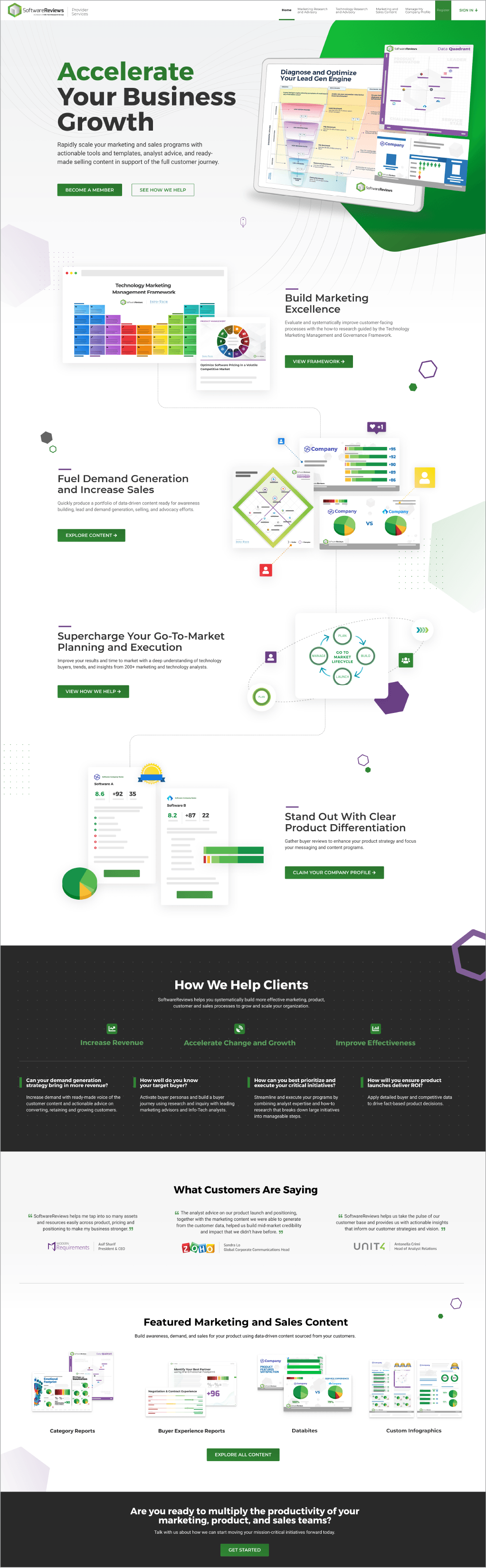
We started with an ambitious version of what the Vendor Portal could be — broad
in scope, feature-rich, built around the full long-term vision for what vendor
collaboration on the platform could look like. As the project moved forward, it
became clear that building toward that full vision first would slow us down and
delay getting anything real in front of vendors.
I led the team through scaling that thinking down to a smaller, sharper MVP —
cutting features that weren't essential to the core value (vendors accessing research
and adding content) so we could move fast and validate the product like a startup would,
rather than trying to ship the complete vision in one pass. That meant making real trade-off
calls on what stayed and what got deferred, and getting the team aligned around building for
speed and learning rather than completeness. It was a gradual shift rather than one dramatic
decision point, but it changed how the team approached the entire project — and became the
operating model for how we scoped work afterward.
Alongside scoping the MVP, we used the project as an opportunity to modernize the
front-end, moving to Tailwind. That decision paid off beyond this one project: it
gave the team repeatable components and cleaner code standards, which meant faster
execution on everything that came after the Vendor Portal, not just the portal itself.
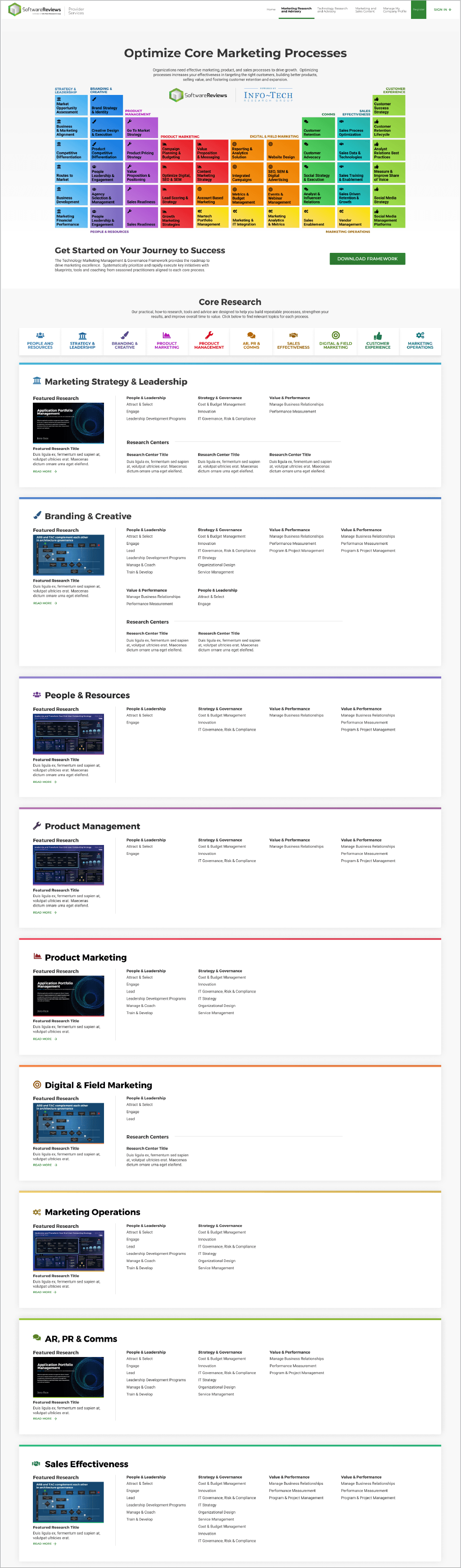
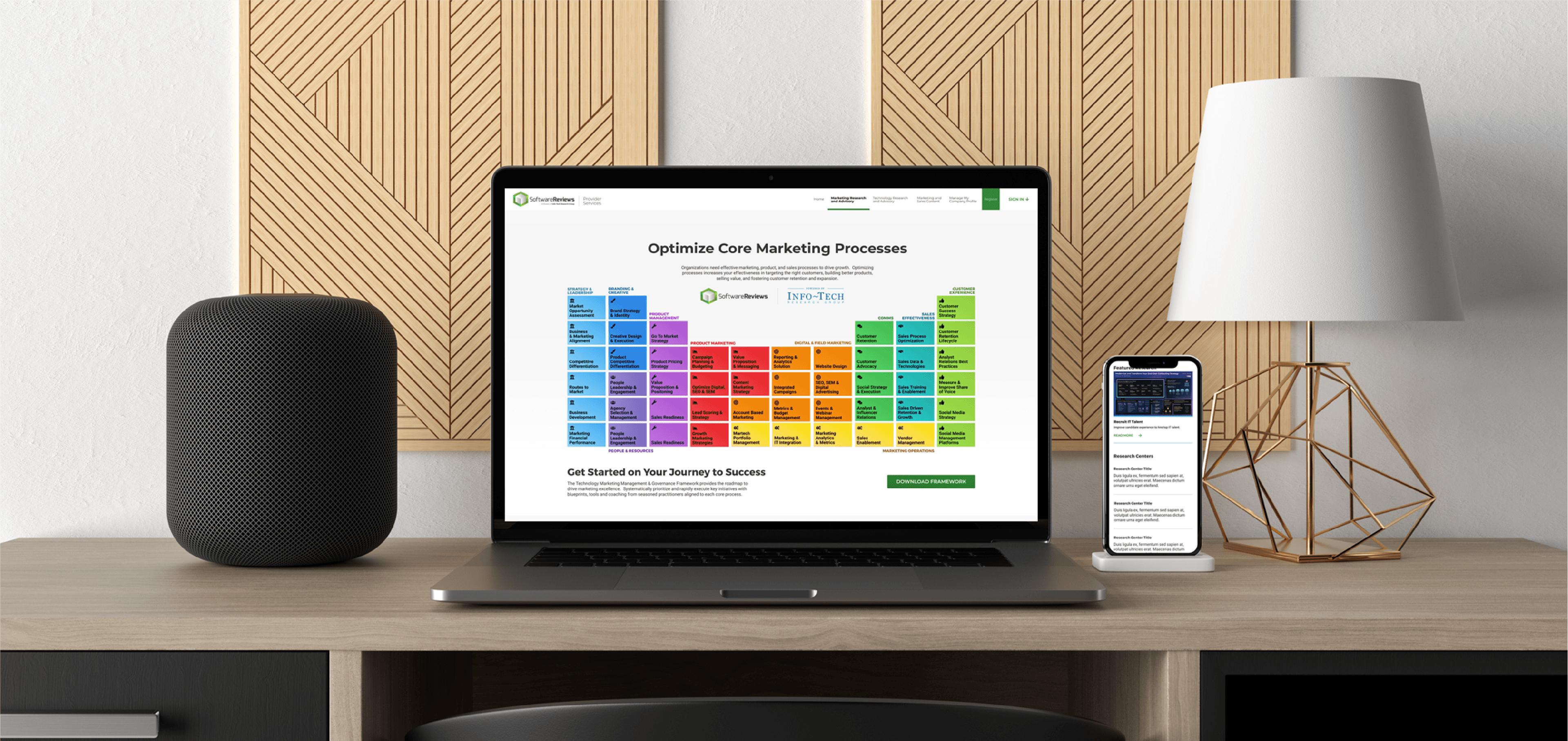
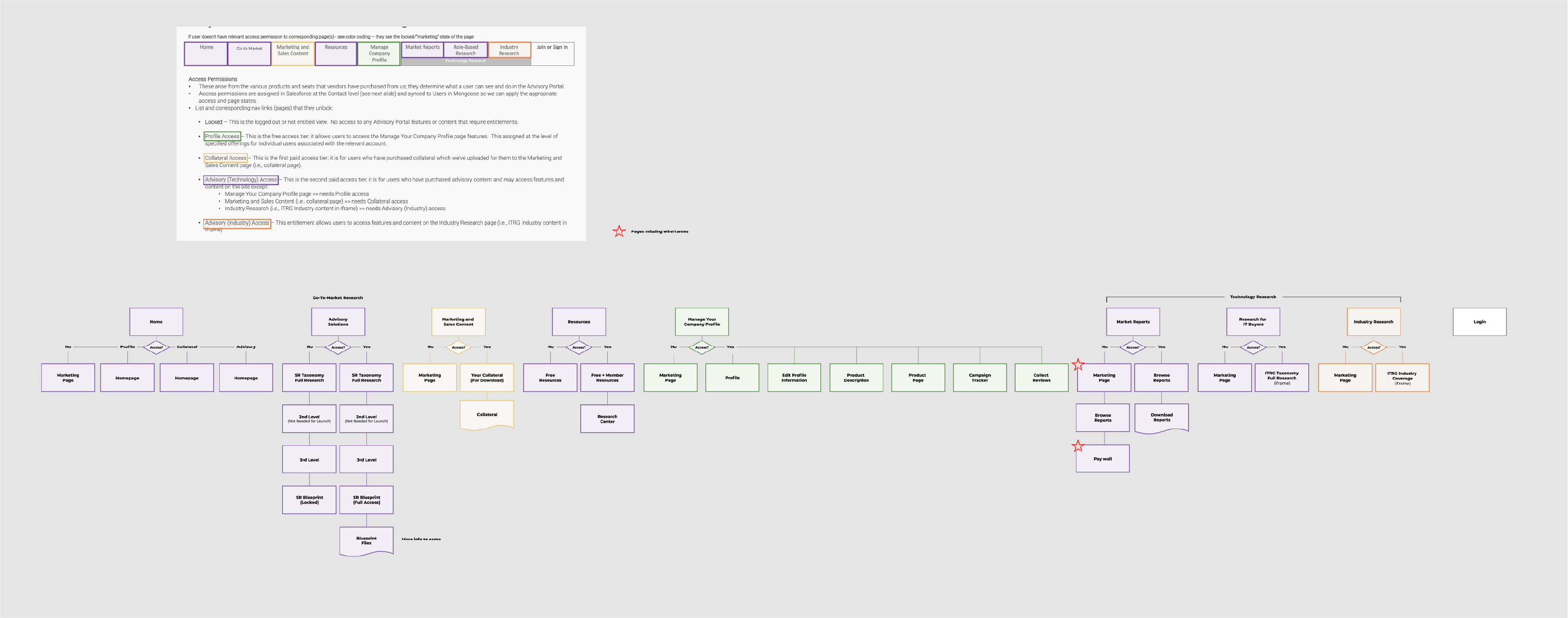
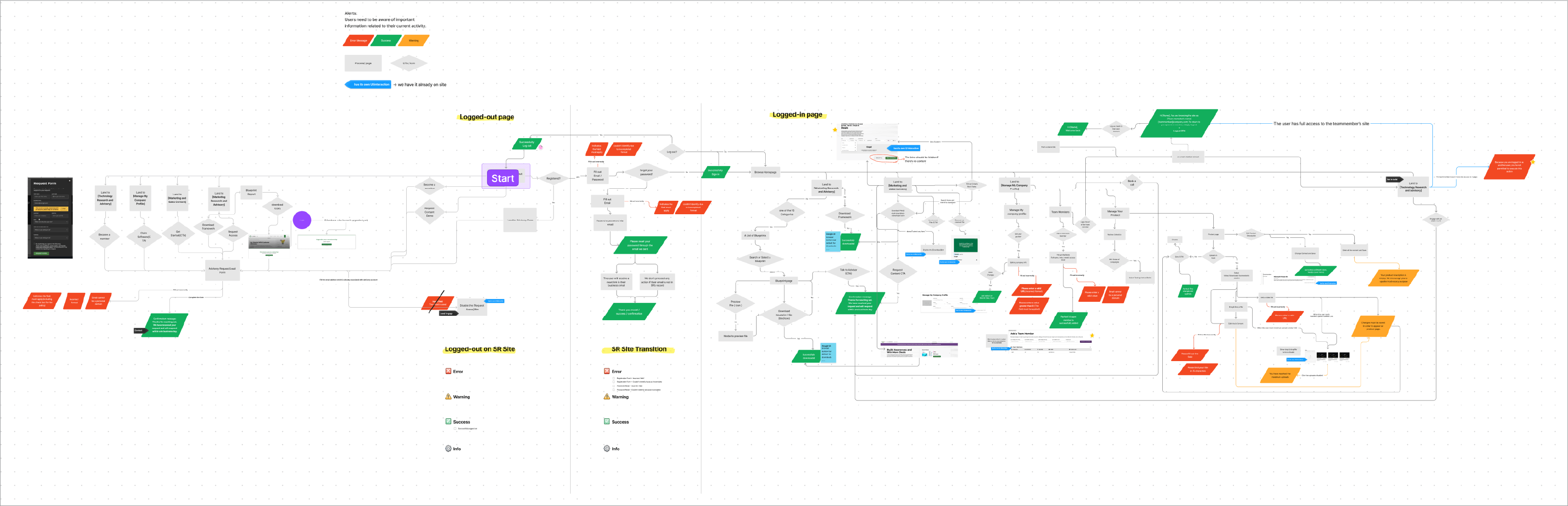
My team worked closely with stakeholders and developers to define the layout, site
mapping, information architecture, and interaction patterns that let vendors navigate
the product with ease — designing for a user (the vendor) who had never had a dedicated
experience on the platform before.

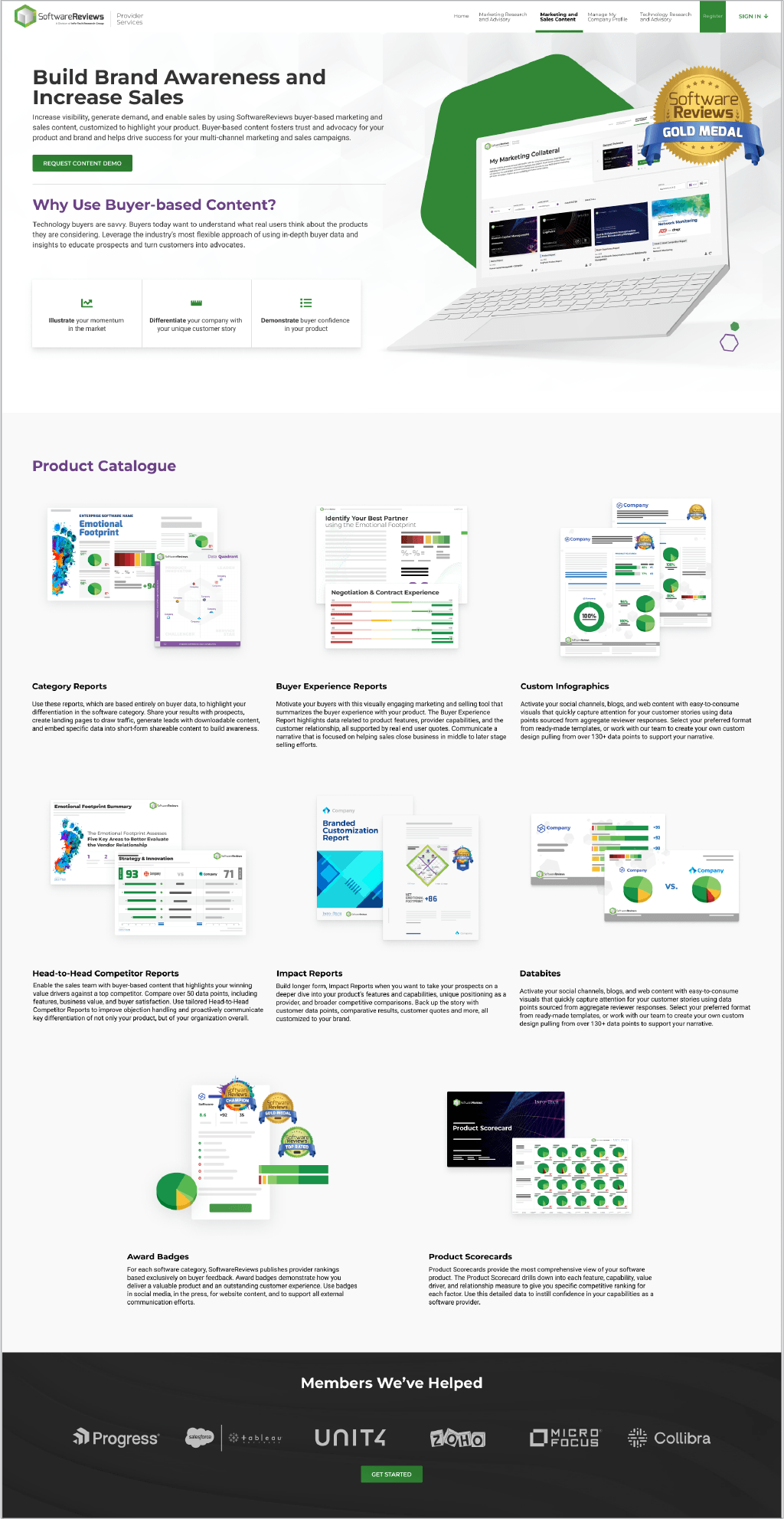
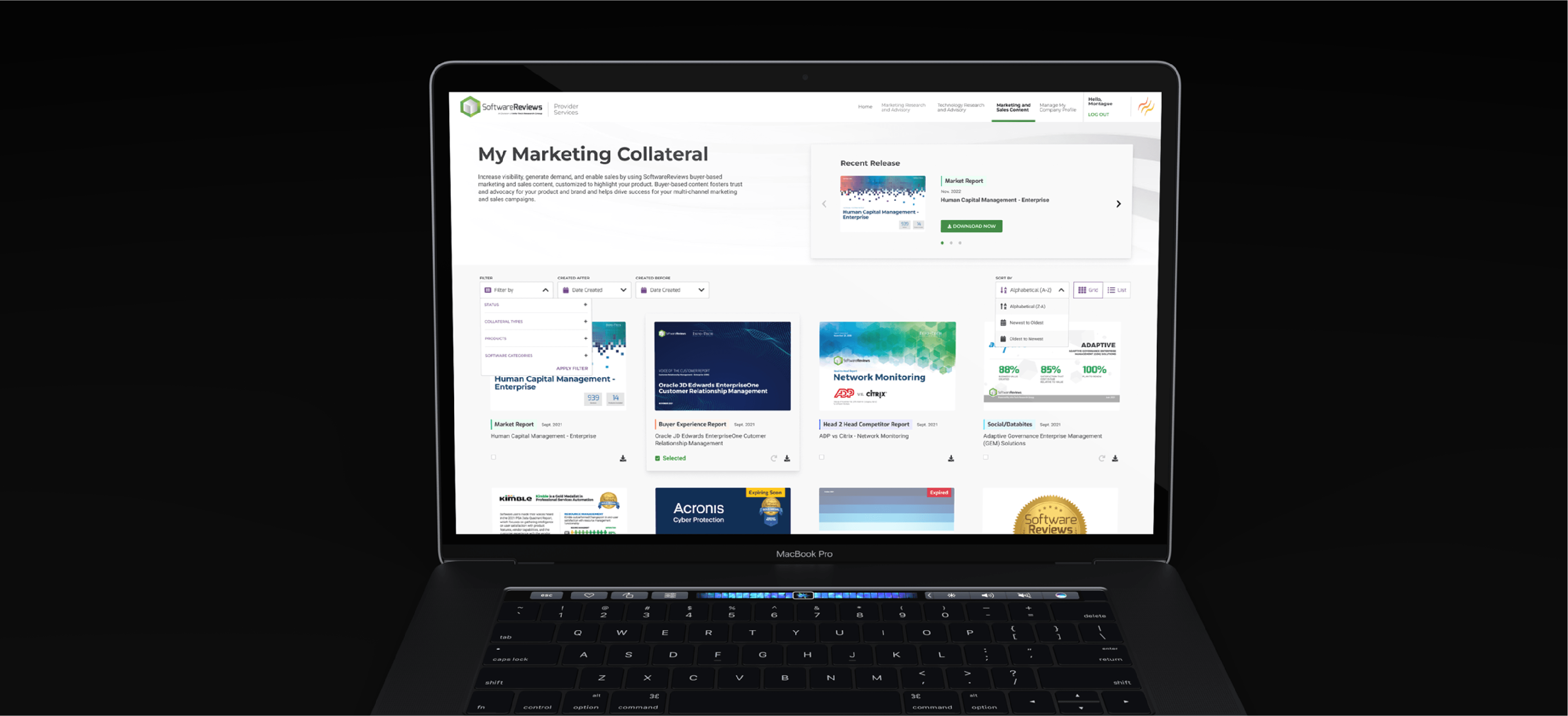
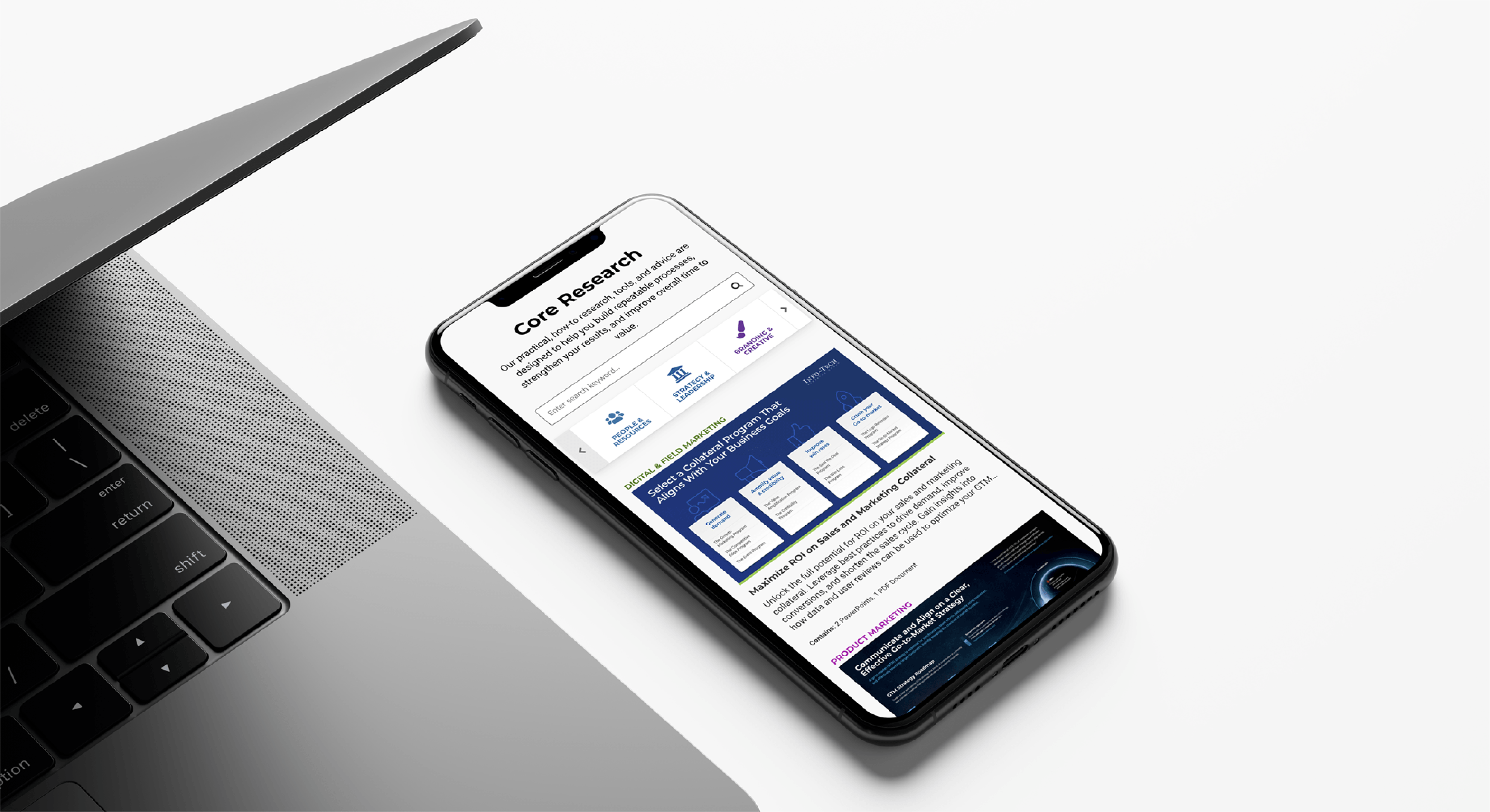
The Vendor Portal shipped as a new product line for SoftwareReviews,
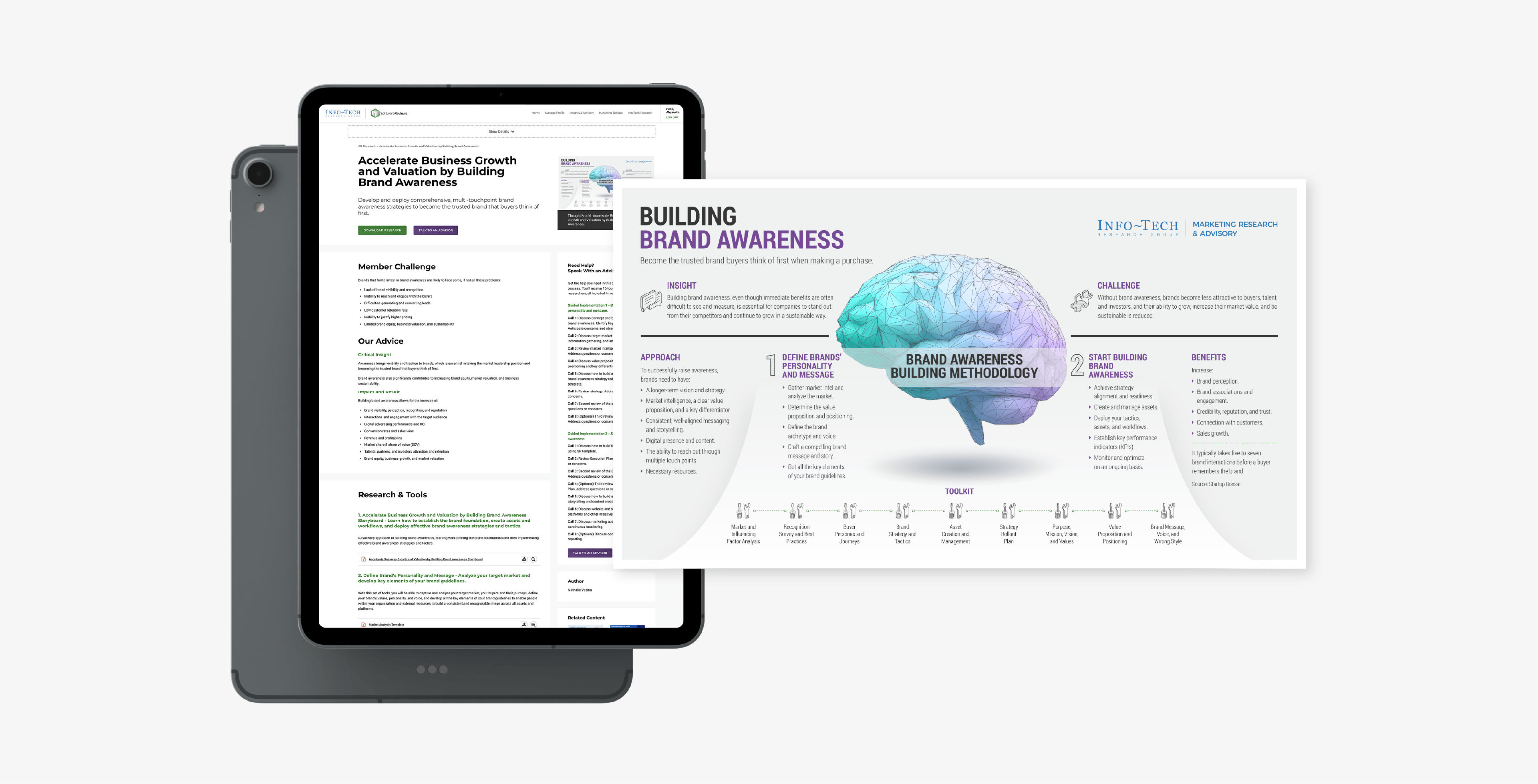
giving vendors a direct way to leverage the platform's research, marketing
collateral, and insights to strengthen their own market presence — closing
a gap that previously left buyers with only one side of the story.
As Design Director, I led the team through the full 0-to-1 process — from
initial concept through the scope decisions that got it shipped — guiding
design direction, running critique, and keeping the team focused on speed
and validation over building the complete original vision.